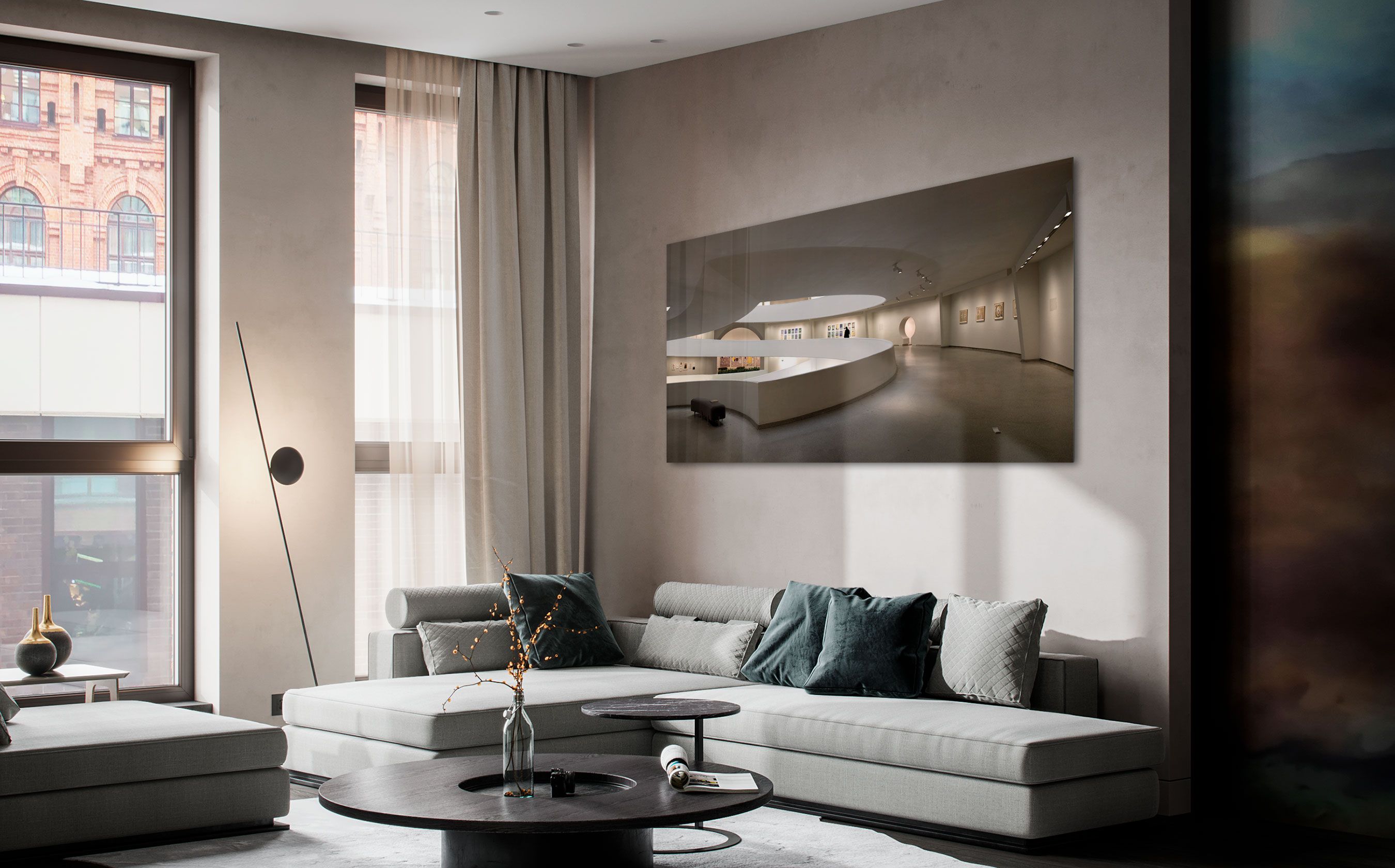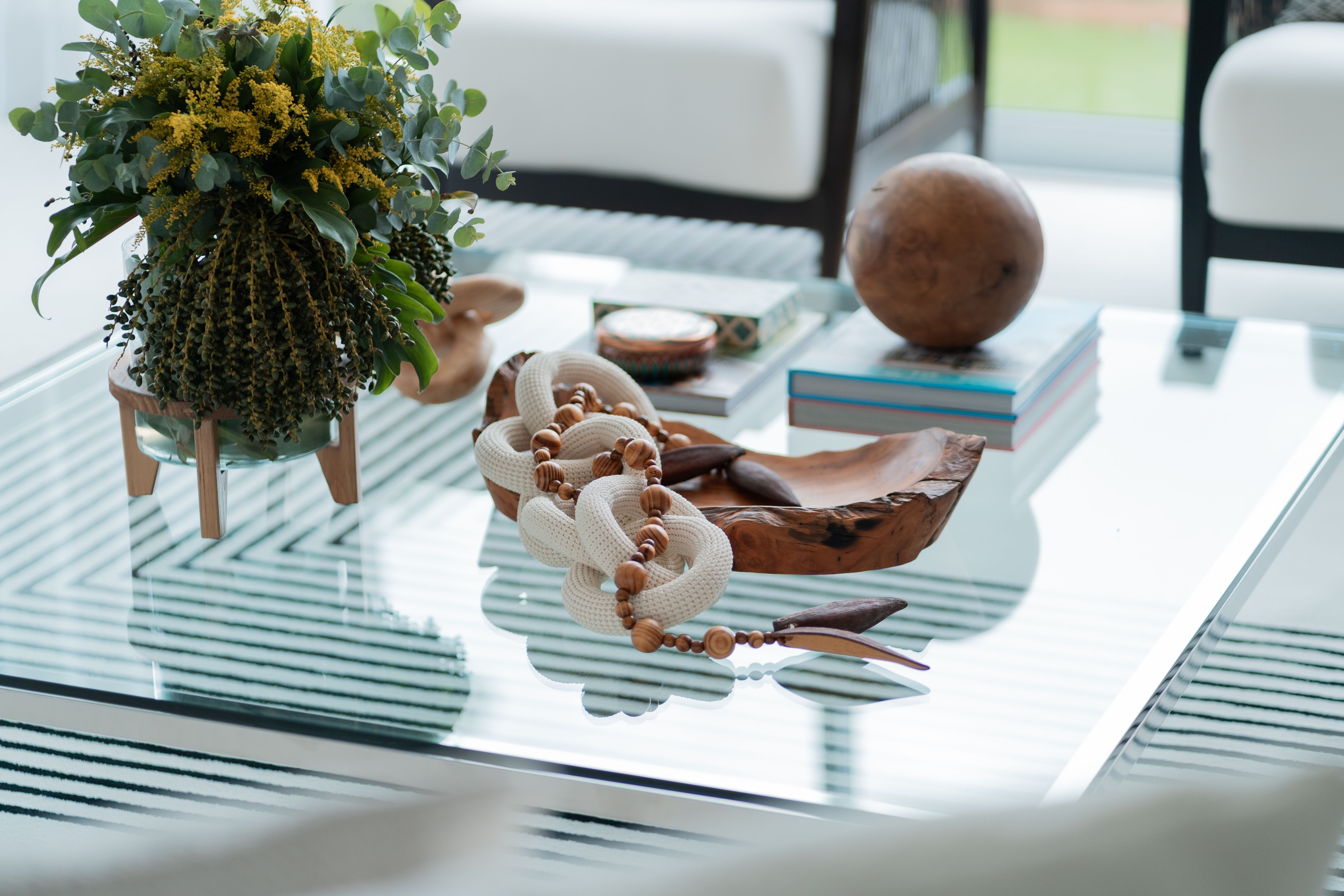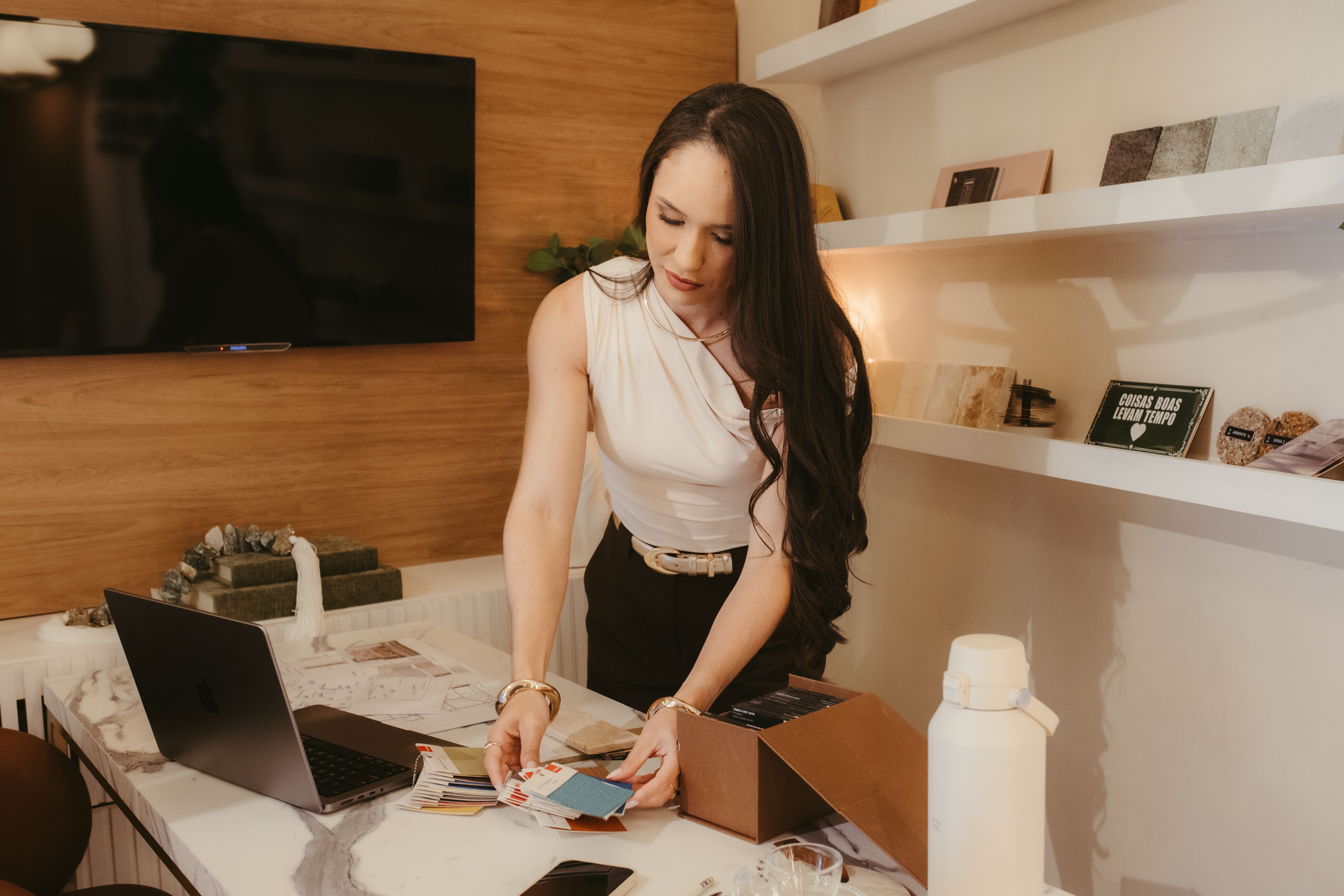
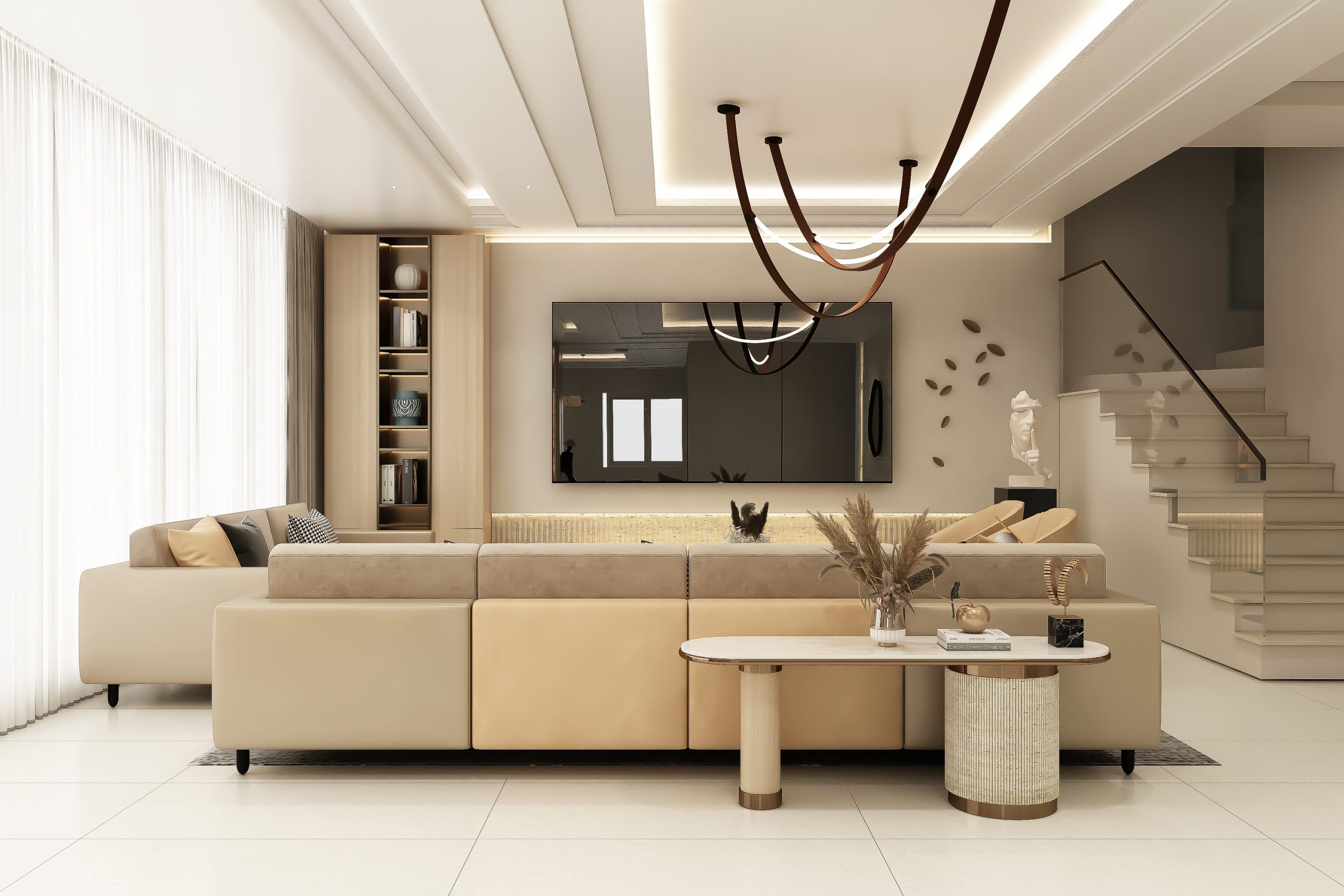
An interior design website should be far more than an online photo album. For a growing studio, your website acts as a 24/7 sales representative, brand ambassador, and initial filter for potential clients.
When prospective clients visit your site, they decide within seconds whether your aesthetic, professionalism, and price point match their expectations. If your site lacks clear navigation, compelling messaging, or key functional elements, even the most breathtaking design projects can fall flat.
To build a digital presence that attracts discerning clients and consistent project inquiries, here is the complete breakdown of what every interior design website must include.
1. A High-Impact Above-the-Fold Hero Section#
The top section of your homepage—what visitors see before scrolling—is your digital first impression. It must answer three immediate questions: Who are you? Where are you located? What makes your work unique?
Key Elements to Include:#
- A Signature Hero Image or Short Video Loop: Showcase your absolute best work. Avoid generic stock photos; use high-resolution photography from a completed project that captures your signature aesthetic.
- Clear Value Proposition: A concise statement defining your focus. For example: "Full-service residential interior design creating refined, liveable spaces in Melbourne and coastal Victoria."
- Primary Call to Action (CTA): Give visitors an immediate path forward, such as "Explore Our Projects" or "Book a Consultation".
2. A Strategic, Story-Driven Portfolio#
Your portfolio is the engine of your website. However, uploading fifty uncontextualised photos of every project you have ever finished can overwhelm visitors and dilute your brand.
Portfolio Best Practices:#
- Quality Over Quantity: Curate 6 to 10 exceptional projects that represent the type of work you want to do more of in the future.
- Project Case Studies: Instead of a simple photo gallery, structure each project as a case study. Detail the client's brief, design challenges, creative solutions, and key materials or custom elements used.
- Before-and-After Galleries: Showcasing transformations highlights your problem-solving skills and technical expertise, demonstrating value beyond simply choosing furnishings.
- Image Optimization: High-resolution photography is non-negotiable for interior designers, but uncompressed files will severely slow down your website load time. Compress all images for web viewing without sacrificing visual clarity.
3. An Authentic 'About' Page That Builds Trust#
Interior design is an intimate service. Clients invite you into their private homes and trust you with substantial budgets. As a result, the 'About' page is often the second most visited page on an interior design website.
What to Feature:#
- Professional Headshots: Introduce yourself and your core team. High-quality imagery of the human faces behind the studio creates instant connection and credibility.
- Design Philosophy: Explain your approach to space planning, sourcing, and client collaboration. What guides your creative process?
- Background and Credentials: Highlight industry accreditation (such as ASID, BIID, or DIA memberships), education, relevant awards, or notable publication features.
- Personal Touch: A short note on what inspires your work helps make your studio approachable and memorable.
4. Transparent Services and Process Overview#
Unclear service descriptions create friction and lead to unqualified inquiries. Your website should clearly outline how you work, what you offer, and what clients can expect during a project.
Breakdown of Offerings:#
- Core Service Categories: Differentiate between your offerings, such as Full-Service Turnkey Design, Renovation & Architecture Coordination, E-Design, or Styling Consultations.
- Step-by-Step Design Process: Break your workflow down into predictable stages (e.g., Initial Consultation & Analysis → Concept & Space Planning → Procurement → Installation & Styling). Showing structure reassures clients that their investment will be managed professionally.
- Investment Expectations: While custom design pricing varies, providing starting rates, average project budgets, or minimum spend thresholds helps screen out budget seekers and pre-qualify serious leads.
5. Social Proof and Client Testimonials#
Potential clients look for proof that you can deliver on your promises. Integrating client feedback and external validation across your site validates your authority and builds confidence.
Effective Types of Social Proof:#
- Contextual Testimonials: Rather than hiding reviews on a standalone page, embed quotes directly alongside relevant portfolio case studies.
- Press and Awards Badges: Display logos of interior publications where your work has been featured (e.g., Vogue Living, Architectural Digest, Habitus) alongside industry recognition.
- Client Reviews: Include short, impactful quotes highlighting your communication, attention to detail, budget management, and execution.
6. Frictionless Contact and Conversion Pathways#
Making it difficult for visitors to get in touch is one of the most common reasons design websites fail to generate leads. Every key page should direct visitors toward an intuitive next step.
Essential Conversion Tools:#
- Dedicated Contact Page: Include a clean, user-friendly contact form asking for essential project details (e.g., location, scope, estimated budget, targeted start date).
- Direct Contact Details: Display your studio email address, phone number, and physical studio or office location clearly in the website footer.
- Embedded Scheduling Links: Consider embedding a calendar tool (like Calendly) directly on your site for prospective clients to book discovery calls seamlessly.
7. Technical and UX Non-Negotiables#
Even the most visually stunning design site will fail to perform if it performs poorly on mobile devices or is hard to find in search engine results.
Core Technical Requirements:#
- Responsive Mobile Design: Over half of web traffic originates from mobile devices. Ensure your imagery, layout, and menus scale effortlessly on mobile screens.
- Fast Page Loading Speeds: Large, unoptimized images cause visitors to bounce off your site before your work even loads.
- Search Engine Optimization (SEO): Incorporate target search terms naturally into your headings, page content, meta tags, and image alt text. Mentioning your city or region (e.g., "Bespoke Residential Interior Designer in Sydney") helps attract high-intent local clients.
Transforming Your Website into a Client Attraction Engine#
Your interior design website should reflect the quality, precision, and sophistication of the physical spaces you create. By pairing high-end project photography with clear messaging, structured processes, and intuitive user navigation, you transform your site from a simple gallery into a powerful business asset.
If your studio's website isn't delivering a consistent flow of ideal client inquiries, it may be time for a strategic digital audit. At DSpace360, we specialize in helping interior designers build SEO-optimized, high-converting websites tailored to scale creative studios. Take a fresh look at your site today, identify where friction exists, and start refining your online presence.