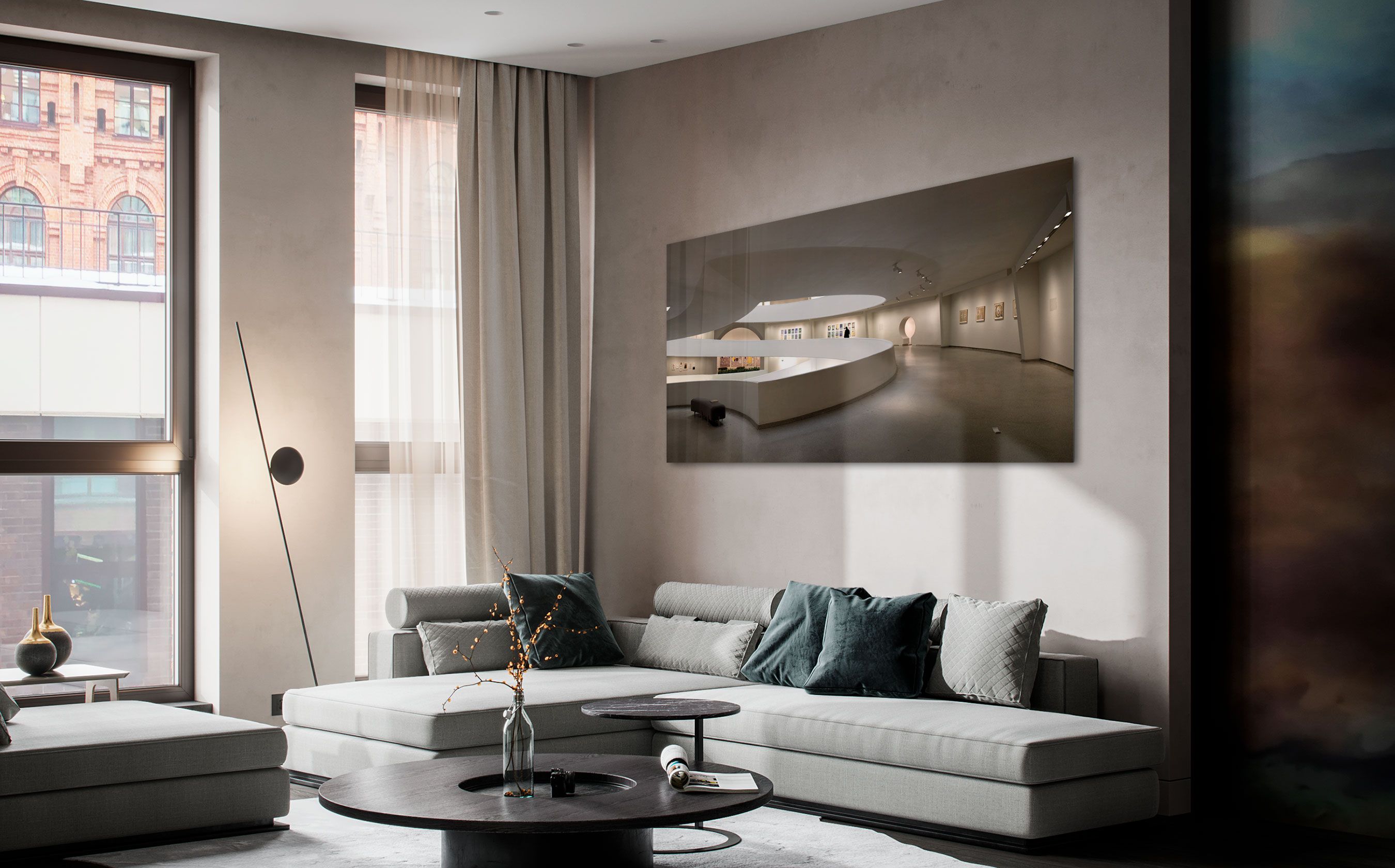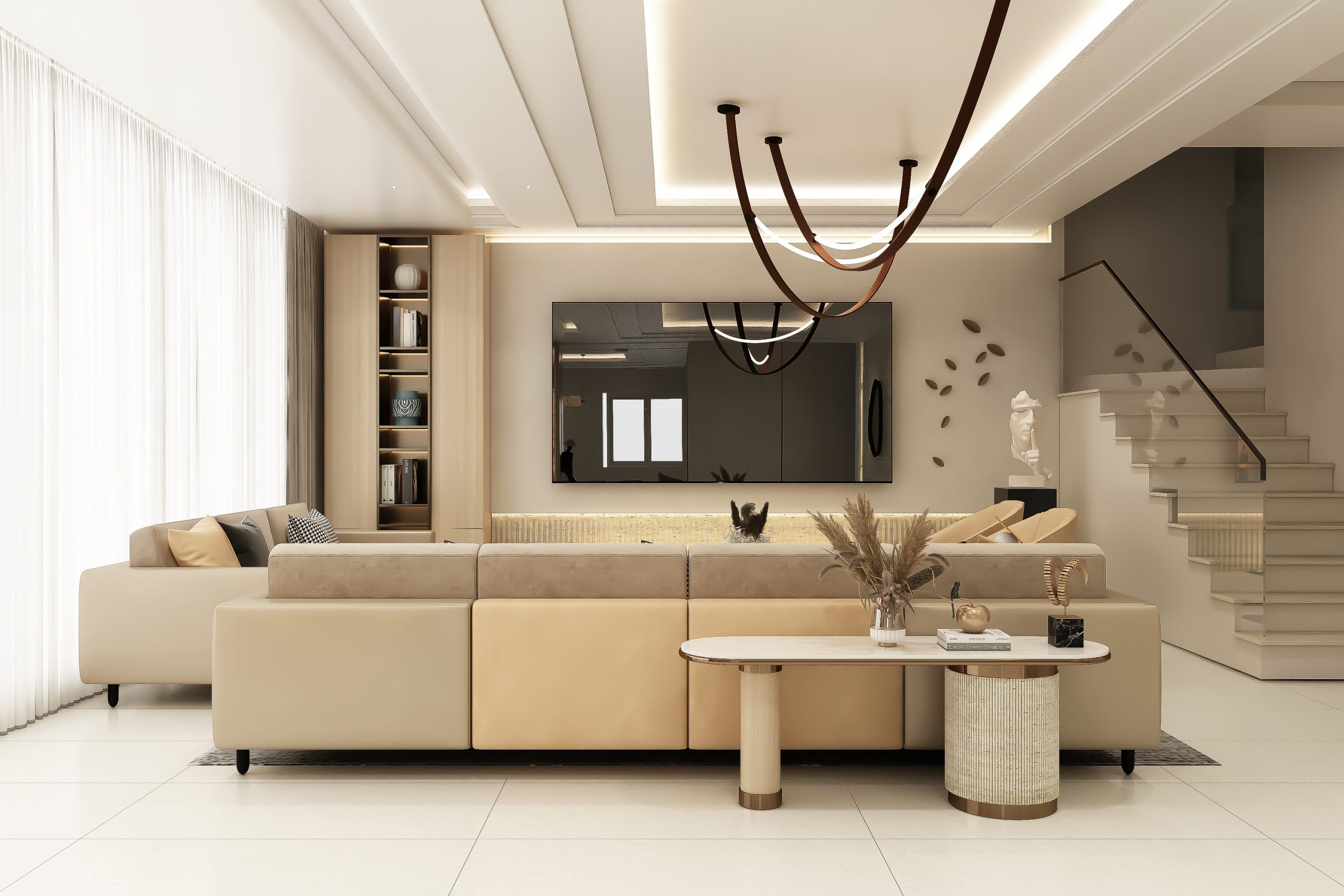
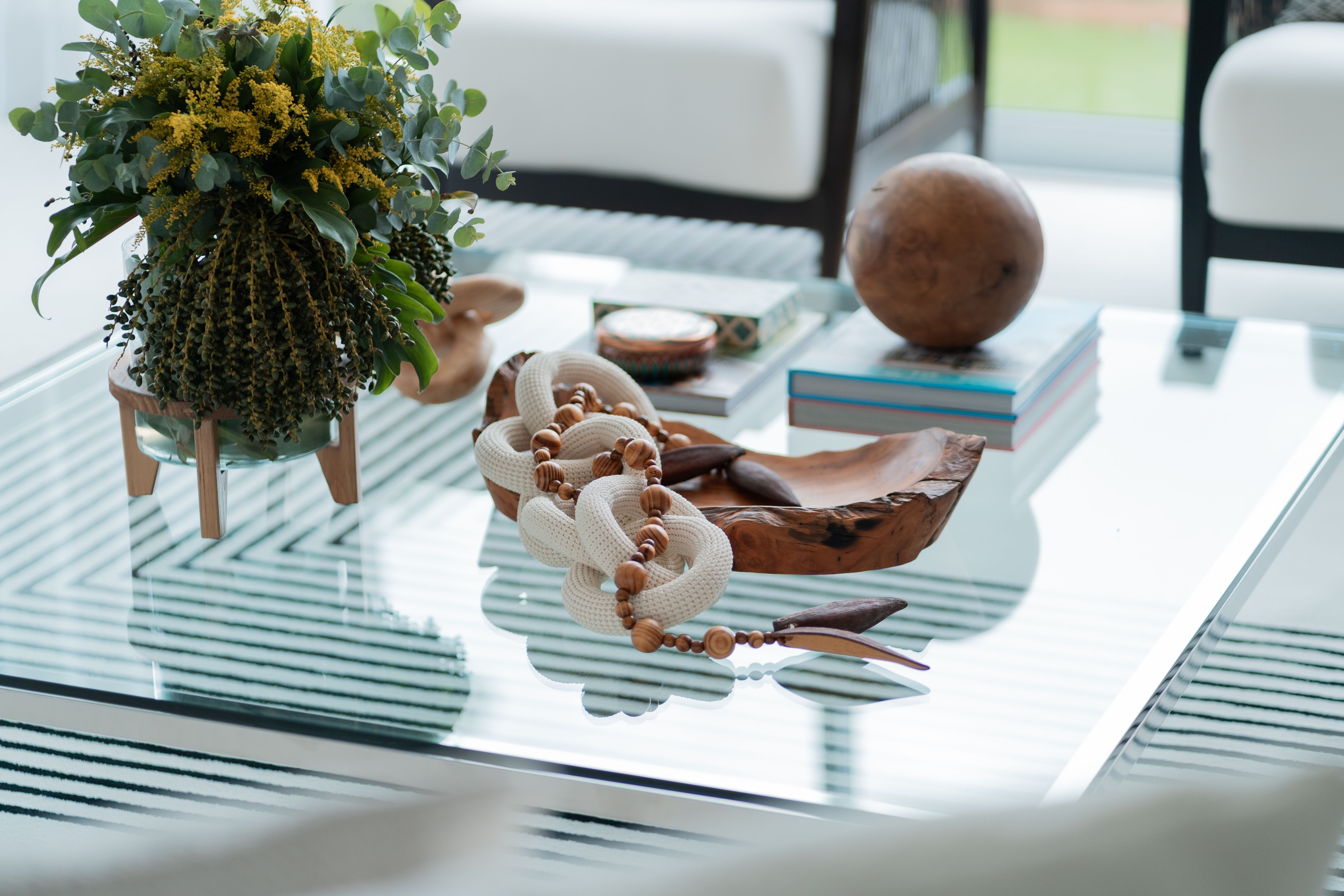
For interior designers, visual storytelling is not merely an artistic outlet—it is the foundation of client acquisition. When prospective clients visit your website, they rarely start by reading your firm's background story or analyzing your service list. Instead, they navigate directly to your portfolio.
Your portfolio is often the single deciding factor between a prospect scheduling an initial consultation or navigating away to a competitor's site. Yet, many design studios treat their portfolio as a static digital photo album—a grid of attractive images without strategic context. In reality, an effective interior design portfolio acts as your primary salesperson, brand ambassador, and trust builder.
Understanding why your portfolio matters and learning how to structure it strategically can transform your website from a passive gallery into an active lead-generation asset.
1. Establishing Immediate Trust and Credibility#
Interior design is a high-consideration, deeply personal investment. Clients invite design professionals into their personal spaces, delegate substantial budgets, and trust your expertise to execute visual and structural transformations. Visual proof is the quickest way to bridge the confidence gap between an initial inquiry and a signed contract.
A polished portfolio demonstrates your technical competence and aesthetic vision far faster than written claims. When prospective clients view high-resolution photographs of completed projects, several crucial evaluation processes happen simultaneously:
- Visual Verification: They confirm that your studio successfully takes complex concepts from initial design through to completed execution.
- Aesthetic Alignment: They evaluate whether your design signature matches their personal lifestyle, brand values, or architectural vision.
- Attention to Detail: Close-up imagery of custom millwork, textile pairing, and architectural details signals your commitment to craftsmanship.
Without a robust, beautifully presented body of work, potential clients must make a leap of faith. In a competitive design market, prospective clients rarely take that risk when alternative firms provide clear evidence of their capabilities.
2. Pre-Qualifying Prospective Clients#
One of the most valuable yet underappreciated roles of a well-curated portfolio is lead qualification. Receiving inquiries from prospects whose budgets, preferred aesthetics, or project scopes do not align with your business model takes time and energy away from active design work.
Your portfolio serves as a silent filter, attracting your target clientele while guiding non-ideal projects elsewhere.
Aligning Style Expectations#
If your firm specializes in minimalist, light-filled residential environments, displaying prominent maximalist or industrial commercial spaces creates confusion. Curating your portfolio to feature the specific aesthetic and project types you want to secure next signals your core focus to the market.
Communicating Scale and Standard#
While publishing explicit price lists is not standard practice for every studio, the visual details present in your portfolio implicitly communicate your price point. Highlighting bespoke cabinetry, imported stone, architectural lighting, and full-home scopes naturally signals a higher investment tier. This helps set realistic expectations before the discovery call.
3. Telling the Story Behind the Design#
Striking photography captures attention, but structural context wins client trust. High-value clients do not simply buy pretty rooms; they hire design studios to solve architectural, functional, and spatial challenges.
To elevate your portfolio from a visual collection to a compelling marketing asset, frame your project presentations as structured case studies rather than simple image galleries. Detail the journey behind each project:
- The Brief and Challenges: Describe the initial conditions. Did the original space suffer from poor spatial flow, inadequate natural light, or complex family storage requirements?
- The Design Solution: Explain how your creative vision addressed these specific challenges. Mention layout revisions, custom joinery solutions, or lighting plans.
- The Outcome: Describe how the finished environment improved the client's daily life, productivity, or property value.
Including selective floor plans, conceptual sketches, or before-and-after imagery alongside final photography provides tangible evidence of your problem-solving capabilities. It elevates your market positioning from decorator to strategic design authority.
4. Driving Organic Search Engine Visibility (SEO)#
From a digital marketing perspective, your portfolio represents your website's greatest opportunity for Search Engine Optimization (SEO). Many interior design websites suffer from a lack of indexable text, relying almost entirely on unoptimized visual grids. Search engines rely on written context and metadata to understand and rank your website.
By building detailed, content-rich case studies for every project, you naturally create search-friendly pages:
- Image Optimization: File names like
modern-kitchen-renovation-oak-cabinetry.jpgaccompanied by descriptive alt text allow search engines to properly index your project photos in visual search results. - Contextual Copywriting: Writing clear text describing project types (such as whole-home renovations, historic home restorations, or boutique office interiors) helps your website rank for relevant, high-intent search queries.
- Internal Linking: Connecting portfolio case studies to related service pages or editorial articles establishes a clear site hierarchy that search engines favor.
Optimizing your portfolio items ensures that prospective clients looking for specific design services can discover your studio organically through search engine queries.
5. Maintaining Full Ownership of Your Digital Asset#
Social media platforms like Instagram and Pinterest are valuable tools for initial brand discovery. However, relying on third-party social channels as your primary portfolio carries operational risk.
Algorithms change, user attention spans on social channels are brief, and your work is displayed alongside thousands of competing accounts and advertisements. Your website portfolio gives you full ownership over the narrative and layout environment:
- Distraction-Free Presentation: Visitors focus entirely on your curated portfolio without external advertisements or competing design feeds.
- Controlled Brand Experience: You dictate the narrative flow, guiding potential clients seamlessly from showcase galleries to your booking form.
- Long-Term Asset Value: A published case study on your website remains permanently accessible and indexable via search, whereas social posts fade quickly from active feeds.
Social channels should function as traffic drivers that lead interested prospects back to your website, where your complete portfolio can convince them to take action.
Key Elements of a High-Converting Portfolio Case Study#
To ensure your portfolio drives actual client inquiries, confirm that each featured project includes the following elements:
- Professional Photography: Professionally lit, styled, and captured photography is essential. Poor lighting or wide-angle lens distortion can undermine even the highest quality interior architecture.
- A Concise Project Overview: State the project location type, design style, scope of work, and overarching concept clearly near the top of the page.
- Balanced Visual Angles: Feature wide room shots that capture spatial flow, mid-range shots showing furniture arrangements, and close-up detail shots showing craftsmanship.
- Client-Centered Narrative: Write copy focusing on how your design solutions improved the functional experience of the space.
- A Strategic Call to Action (CTA): Conclude each project page with a clear next step, inviting readers to inquire about their own upcoming project or view similar work.
Quality Over Quantity: Curating for Success#
A common mistake interior designers make is featuring every project they have ever completed. A portfolio is not an archive; it is a selective marketing tool. Displaying four to eight exceptional, fully realized case studies that align with your studio's current strategic direction is vastly superior to showing twenty outdated projects.
At DSpace360, we recommend treating your portfolio as an evolving digital showcase. Regularly reviewing your case studies, refreshing image optimization, and aligning visual content with your current ideal client profile ensures your website remains your firm's most powerful growth tool.
Final Thoughts#
Your interior design portfolio is far more than a decorative visual showcase. It is the bridge that connects a prospect's aspirational vision with your professional design capabilities. By integrating professional photography, detailed project narratives, and strategic SEO practices, your portfolio will consistently build client trust and attract the rewarding projects your studio deserves.