For interior designers and studio owners, a portfolio is rarely just a collection of completed projects. It serves as your primary sales representative, your silent brand ambassador, and the ultimate proof of your creative capabilities. High-ticket residential and commercial clients seldom choose a design firm based on competitive pricing or vague service descriptions. They hire based on aesthetic alignment, functional proof, and emotional connection.
Yet, many design studios treat their website portfolio as an online archive—dumping every photo from every project into an uncategorized gallery. This approach dilutes your brand, confuses prospective clients, and costs you lucrative commissions.
To build a thriving design business, you must shift your mindset: your portfolio is not a record of everything you have ever done. It is a strategic sales tool engineered to attract the exact clients you want to work with next.
The Strategic Purpose of an Interior Design Portfolio#
When a prospect lands on your website, they spend an average of less than ten seconds deciding whether your firm is worth exploring further. Your portfolio bears the heavy burden of making that initial impression count. Beyond presenting visually appealing spaces, a well-structured portfolio accomplishes three crucial sales objectives:
1. Establishing Immediate Aesthetic Authority#
Your portfolio signals your expertise instantly. High-end clients want to feel confident that you possess a distinct, refined vision. By presenting cohesive, beautifully executed projects, you establish your authority and justify premium fees.
2. Pre-Qualifying Prospective Clients#
Not every website visitor is your ideal client. A strategically curated portfolio acts as a natural filter. If your firm specializes in high-end, minimalist residential transformations, featuring budget-conscious, mid-century modern flips will attract the wrong inquiries. Your portfolio shows prospects what working with you looks like, saving you time on discovery calls with unqualified leads.
3. Building Emotional Trust#
Design is inherently personal. Clients hand over significant budgets and open their private living spaces to your team. High-resolution imagery, detailed case studies, and clear explanations of your design process alleviate client anxiety by showing that you deliver on your promises consistently.
Curation vs. Archiving: Show What You Want to Sell Next#
One of the most common mistakes design studios make is treating their portfolio like a photographic memory bank. Including project photos from five years ago simply because you spent months working on them can actively hurt your prospective pipeline.
The Golden Rule of Portfolio Curation#
Only feature the types of projects you want to secure in the future.
If you want to move away from single-room styling projects and focus exclusively on full-home gut renovations, remove single-room styling shots from your main portfolio. If your goal is to land commercial hospitality projects, create a dedicated commercial showcase, even if you currently only have two exemplary projects to display.
Quality Always Trumps Quantity#
It is far better to display five exceptionally styled, professionally photographed case studies than twenty mediocre galleries captured on a smartphone. Aim for depth over breadth. A client looking to spend six figures on an interior redesign wants to see comprehensive project stories, not quick glimpses of unrelated rooms.
The Anatomy of a High-Converting Portfolio Case Study#
To transform your portfolio from a visual gallery into a lead-generation machine, every featured project should follow a structured case study format. Here is how to construct a project page that converts viewers into paying clients:
1. Professional Architectural & Interior Photography#
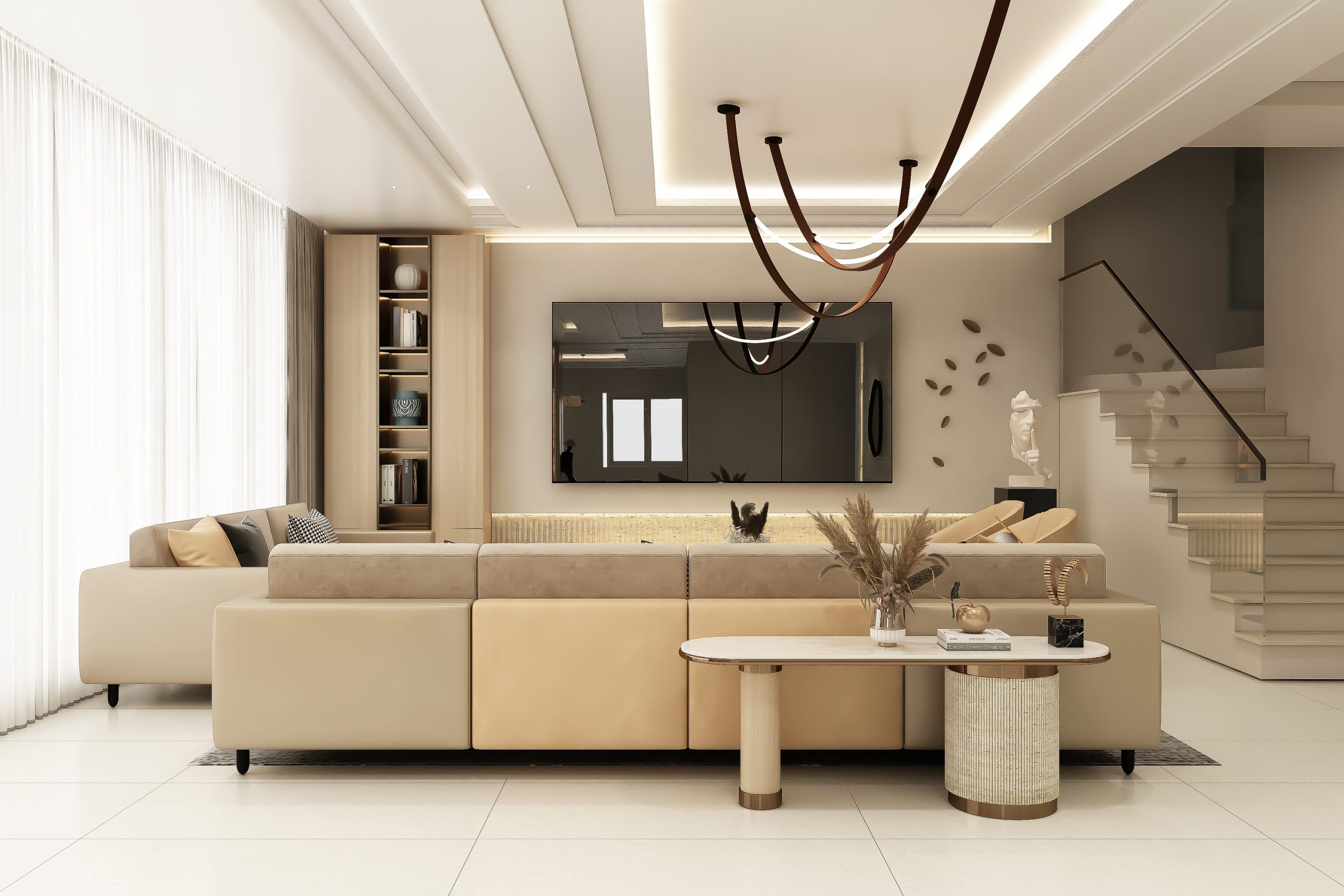
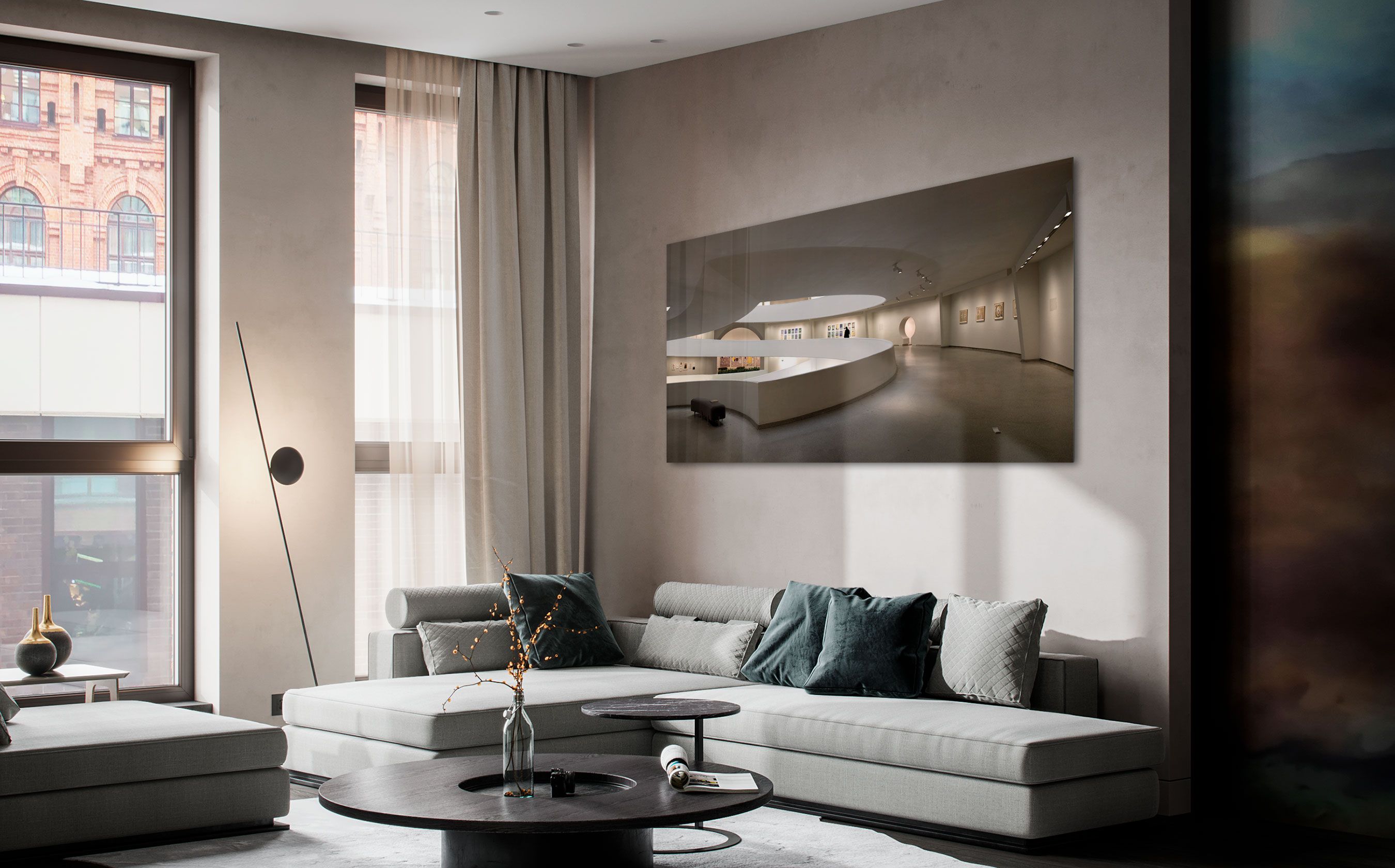
Investing in professional interior photography is non-negotiable. Self-shot smartphone images often suffer from distorted lighting, improper spatial proportions, and poor composition. Professional photographers understand how to capture natural light, highlight textures, and frame spatial transitions effectively.
- Include Wide Shots: To show spatial flow and context.
- Include Medium Shots: To highlight furniture arrangements and architectural features.
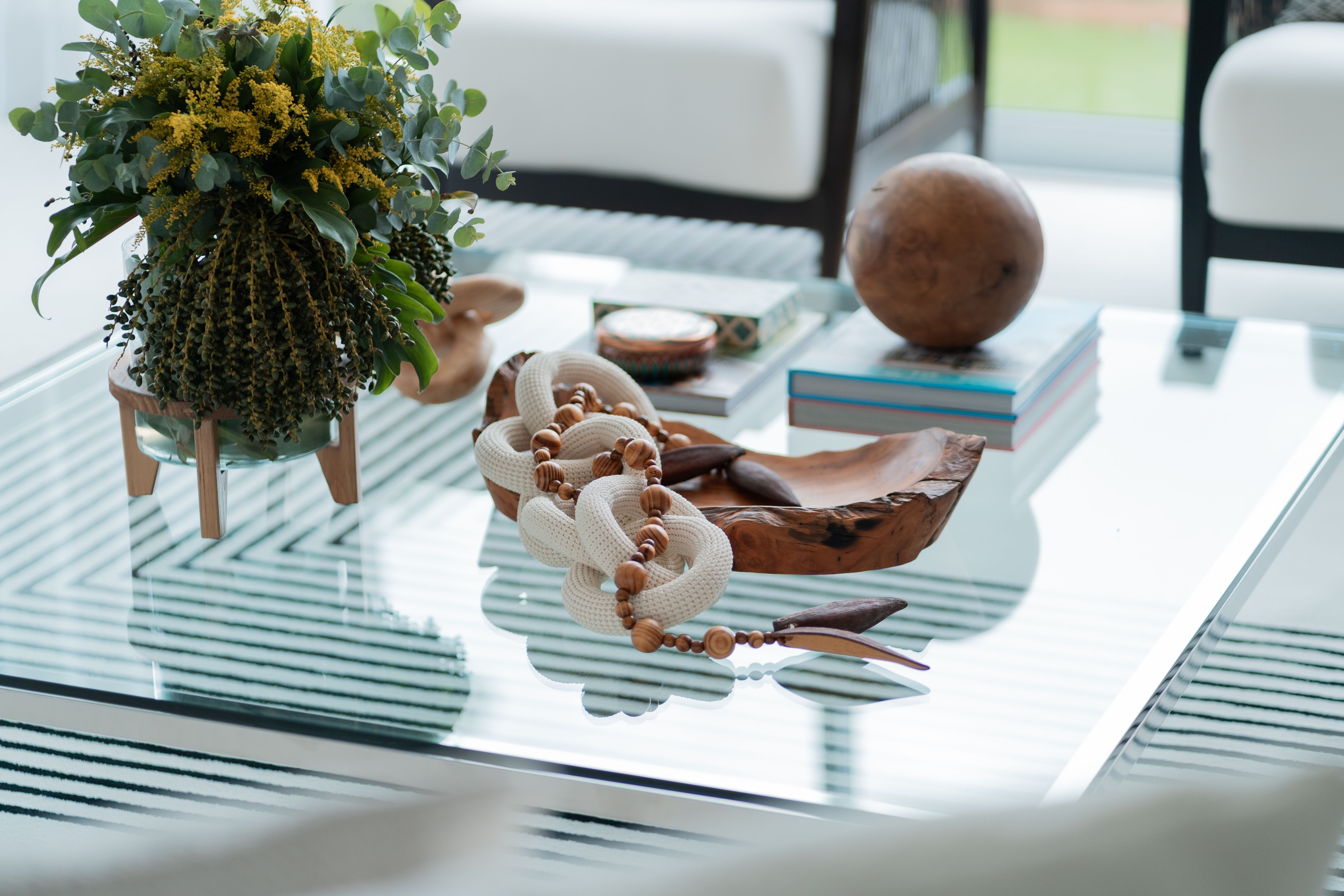
- Include Vignettes & Detail Shots: To showcase custom joinery, textile layering, and curated styling.
2. Strategic Project Context & Narrative#
A stunning photo invites admiration, but narrative context drives action. Accompany your visual assets with brief, compelling narrative sections:
- The Client Brief: What were the client's original challenges, pain points, or lifestyle requirements?
- The Design Solution: How did your firm solve spatial, structural, or aesthetic problems? Mention specific material choices, layout reconfigurations, or custom elements.
- The Scope of Work: Clarify whether the project involved full architectural detailing, spatial planning, custom furniture procurement, or turnkey styling.
3. Before-and-After Visuals#
High-end clients love seeing transformations. Including selective "before" photos or initial floor plans alongside the finished space emphasizes your problem-solving capabilities. It shifts the perception of your work from merely "buying pretty items" to true spatial transformation.
4. Direct Client Testimonials#
Integrating short, powerful testimonials directly within the project case study reinforces your narrative. A quote from the homeowner highlighting your team's professionalism, adherence to timelines, or attention to detail provides immediate social proof at the precise moment the prospective client is admiring your work.
Technical & User Experience (UX) Best Practices#
Even the most breathtaking photography will fail to convert leads if your website experience is frustrating. Pay close attention to these technical requirements:
+-------------------------------------------------------------------+
|                 High-Converting Portfolio UX                      |
+-----------------------------------+-------------------------------+
| Fast Loading Speed                | Compression without loss      |
| Mobile Responsiveness             | Seamless vertical browsing    |
| Intuitive Navigation              | Categorized by project type   |
| Clear Call to Action (CTA)        | Low-friction consultation link |
+-----------------------------------+-------------------------------+
Mobile-First Presentation#
Over 50% of your website traffic will likely arrive via mobile devices, often coming from platforms like Instagram or Pinterest. Ensure your portfolio images scale fluidly on smartphones, load rapidly, and feature touch-friendly navigation controls.
Image Optimization for Speed#
High-resolution imagery can severely degrade website performance if files are not optimized properly. Slow page loading times drive visitors away and hurt your search engine rankings. Convert heavy JPEG and PNG files to modern formats like WebP, compress image sizes without losing crispness, and implement lazy loading.
Clear, Low-Friction Calls to Action (CTAs)#
Every portfolio case study should lead the user naturally to the next step. At the bottom of each project page, include a clear invitation to discuss their own project. A simple link like "Planning a residential renovation? Schedule your design consultation today" guides warm prospects into your sales funnel seamlessly.
Optimizing Your Portfolio for Search Engines (SEO)#
An exquisite portfolio is ineffective if no one can find it. Search Engine Optimization ensures your work appears when local homeowners search for design services in your region.
- Localized Page Titles: Instead of naming a project page "The Smith Residence," title it "Modern Waterfront Villa | Residential Interior Design in Miami."
- Descriptive Alt Text: Search engine crawlers cannot "see" photos; they read alt text. Use descriptive text for images, such as
alt="custom-walnut-kitchen-island-in-modern-seattle-home". - Rich Structural Text: Write unique paragraphs for each case study, using natural phrasing related to your design services, regional coverage, and architectural styles.
At DSpace360, we frequently help interior design firms restructure their online portfolios to ensure they look stunning while ranking high on Google search results.
Actionable Checklist: Audit Your Design Portfolio Today#
Take fifteen minutes to evaluate your existing website portfolio against this quick audit checklist:
- Relevance Check: Do the top three projects on your site represent the work you want to take on next quarter?
- Visual Quality: Are all images professionally shot, properly lit, and optimized for quick loading?
- Storytelling: Does each main project include a short summary of the client brief and your design solution?
- Social Proof: Have you embedded client reviews within your project pages?
- Conversion Path: Is there a clear contact button or booking link at the bottom of every project case study?
If your portfolio fails to meet two or more of these criteria, it is time for a strategic update.
Elevate Your Online Presence#
Your interior design portfolio is your most valuable digital asset. By moving away from unstructured image galleries and curating immersive, strategic project case studies, you establish your studio as an industry authority, turn website visitors into high-value inquiries, and position your firm for long-term commercial success.